popular destination

1. Rhodes
Best for medieval history
Rhodes has long been the Dodecanese’s biggest draw, thanks to its atmospheric, UNESCO World Heritage–listed medieval old town. Transformed in the Middle Ages by the Knights of the Order of St John into a formidable fortified city, it fell to the Ottomans, who erected mosques, baths and houses, many of which have been restored. Youngsters might envision armored men on horseback thundering down the cobblestoned Street of the Knights.
Make sure you visit the Palace of the Grand Master, which features stunning Roman and early Christian floor mosaics, and the Church of Our Lady of the Castle.
Planning tip: Book a state-licensed tour guide to show you around the old town for a full picture of its long and fascinating history.
2. Lisbon
Best for nightlife
Seven iconic hills overlook Lisbon's postcard-perfect panorama of cobbled alleyways, white-domed cathedrals and grand civic squares – a captivating scene crafted over centuries. The Portuguese capital is packed with things to do, from browsing galleries (including the Museu Nacional do Azulejo with its trove of ceramic tiles) and exploring castles (such as the hilltop Castelo de São Jorge) to satisfying your sweet tooth with the city's incredible pastéis de nata (custard tarts)
.
By night, Lisbon’s party people take over, filling old-school drinking dens, brassy jazz clubs and open-all-night clubs that burst into life once the sun goes down. There's also an emerging craft beer scene at the city's breweries and bars.

The Douro, Portugal. iStock
3. Douro Valley
Best place to drink wine
One of Portugal’s most beautiful areas lies just east of Porto. Here, the meandering Rio Douro flows past towering hillsides covered by the steeply terraced vineyards that make up Europe’s oldest demarcated wine region. Whether you come by boat, train or car to the Douro Valley, you’ll be rewarded with astonishing views at every turn, especially as you near the lovely village of Pinhão in the heart of the region.
Planning tip: Many travelers dash in on a quick day trip from Porto, but to make the most of the region, spend the night at one of the vineyard-surrounded guesthouses in the area, such as Quinta Nova or the Casa Cimeira.
4. Setúbal Peninsula
Best for wild, cliff-backed beaches
South of Lisbon, the Setúbal Peninsula has long been the weekend playground of Lisboetas (Lisbon residents). A ferry ride, followed by a short bus or bicycle ride, takes you to the Costa da Caparica, a seemingly endless beachfront that gets wilder and less crowded the further south you go. If you want a surf lesson, some downtime on the sand or a meal overlooking the lapping waves, this is the place to come.
For a bit more solitude, head to the Parque Natural da Arrábida at the southern end of the peninsula. Here, you'll find cliffs covered with thick vegetation, picturesque coves and beaches such as Praia do Portinho da Arrábida, with fine sand, azure waters and the ruins of an ancient site that dates back to Roman times.

5. Sintra
Best for a fantastical escape
Less than an hour by train from the capital of Lisbon, Sintra feels like another world. It's a great day trip away from the city hubbub. Like a setting from a fairy tale, this historic hillside township is sprinkled with stone-walled taverns and lorded over by a multicolored palace.
Forested hillsides form the backdrop to this storybook setting, with imposing castles, mystical gardens, strange mansions and centuries-old monasteries hidden among the trees.
Planning tip: Stick around into the evening to see the fog that sweeps in by night adding another layer of mystery. Chilly evenings are best spent by the fire in one of Sintra’s many charming B&Bs.
6. Évora
Best for historical architecture
The heart of the Alentejo region, Évora is one of Portugal’s most beautifully preserved medieval towns and an enchanting place to spend a couple of days. Inside the 14th-century walls, narrow, winding lanes lead to striking monuments, including an elaborate medieval cathedral, Roman ruins and a picturesque town square.
But this isn't a musty museum piece – Évora is also a lively university town, and its many restaurants serve up some excellent, hearty Alentejan cuisine
.
7. Thessaloniki
Best for foodies
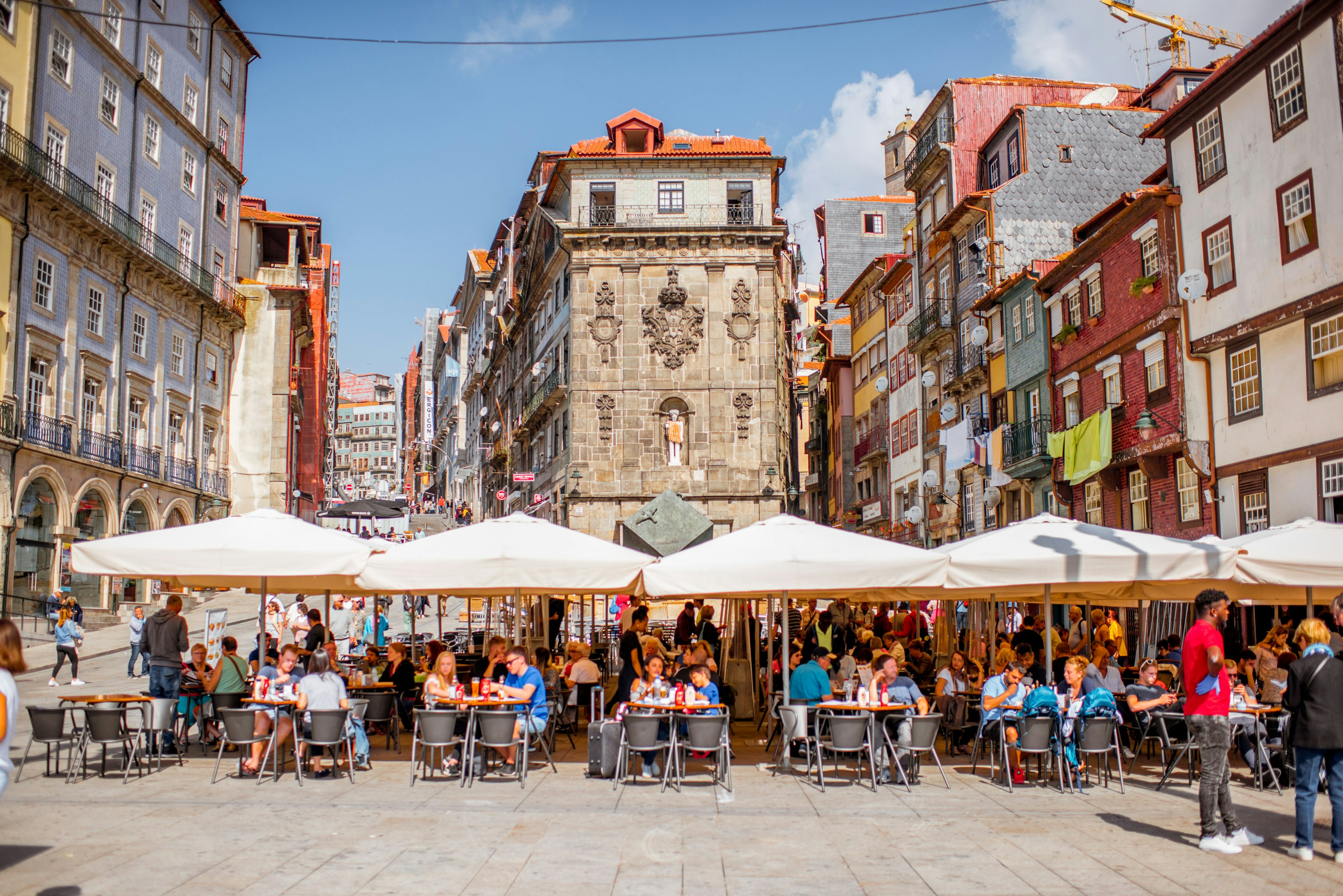
At the crossroads of east and west, where the Romans, Byzantines and Ottomans all held sway over the centuries, Thessaloniki tempts serious foodies. Bougatsa, a phyllo pastry pie usually filled with semolina custard, spinach or meat, makes for a hearty breakfast. Pick up olives and spices at the olfactory-awakening open-air markets and Pontic cheeses from indoor food hub Modiano, which dates back to 1922. In the former oil merchant district of Ladadika, mezedopolia serve dishes revealing strong Anatolian and Middle Eastern influences, customarily with the fiery clear spirit tsipouro.
Planning tip: Thessaloniki is also renowned for its fish and seafood, served with fervor and pride whether it’s a backstreet taverna or an upscale restaurant. Bookings are recommended for the latter.
8. Corfu
Best for boating
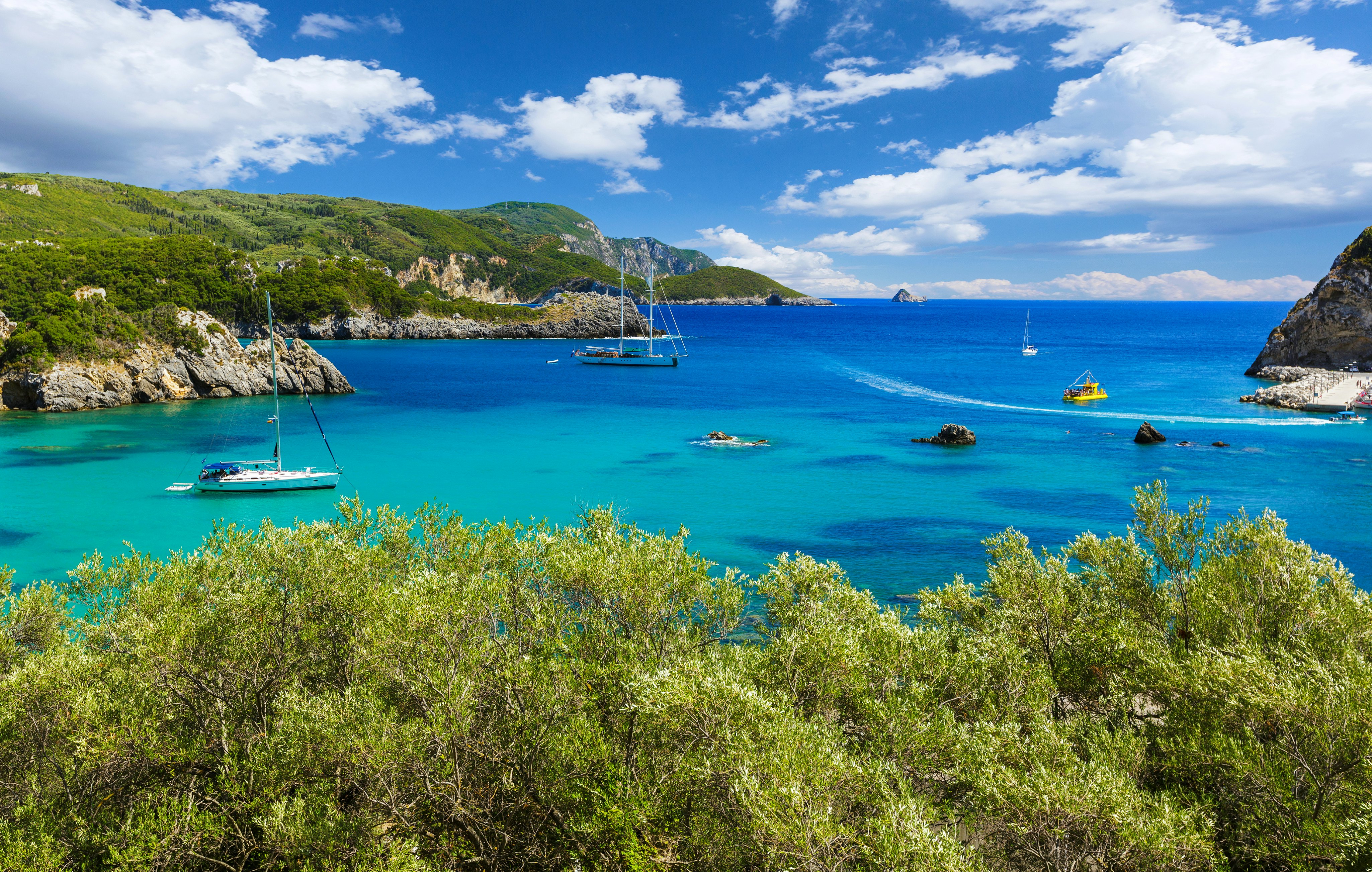
Tranquil turquoise seas, fir-studded hillsides and a regal capital make Corfu one of the most beautiful parts of the country to go sailing. The Ionian isle is the ideal starting point for first-timers to take a sailing course and gain certification.
Afterward, join a flotilla for a leisurely cruise, dropping anchor at Kalami (of Durrells fame) and lush Paleokastritsa. In Corfu Town, admire a Venetian fortress, the French-designed Liston arcade and the Palace of St Michael and St George, built during the island’s British administration.
Planning tip: Few venture to Ereikousa island, northwest of Corfu, which is blessed with pristine beaches and shallow cerulean seas.


Comments
Post a Comment